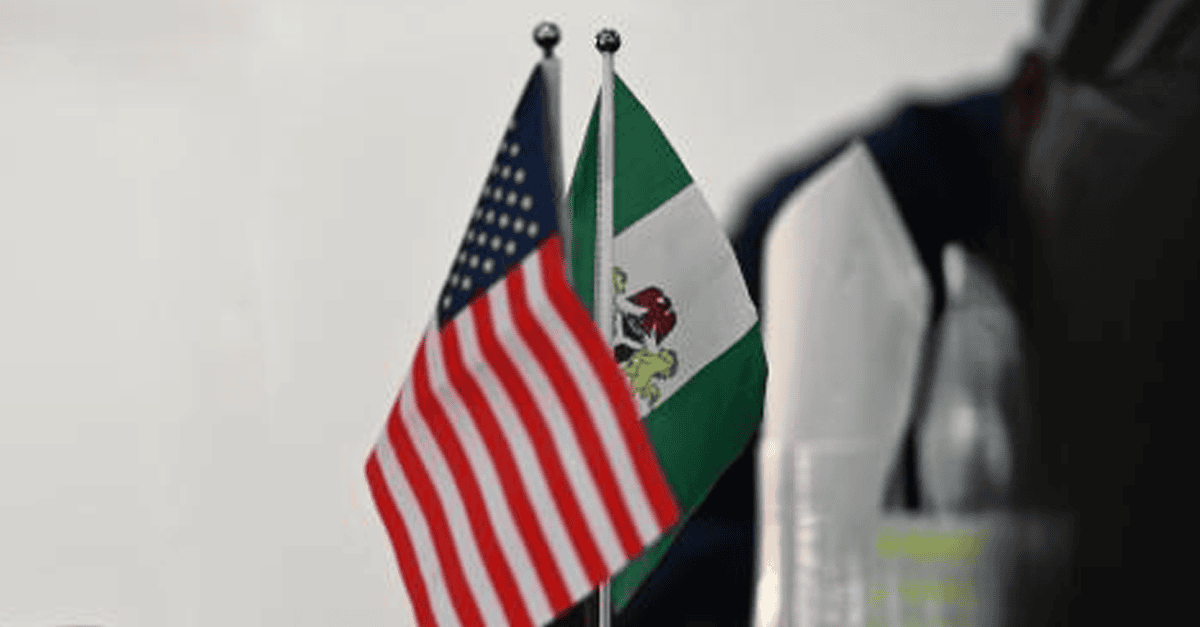
The United States House of Representatives has passed a bill that would restrict foreign assistance to Nigeria until the Nigerian government takes measurable actions to protect Christian communities suffering from religious violence. The legislation, which now moves to the Senate, marks a significant escalation in US-Nigeria relations, potentially affecting billions of dollars in aid and security cooperation. The bill's passage reflects growing bipartisan concern in Washington over the treatment of religious minorities in Nigeria, particularly in the Middle Belt and northern regions where attacks by armed groups have intensified.
The Bill's Provisions and Implications
The bill, titled the "Nigeria Religious Freedom and Security Act," mandates the suspension of non-humanitarian foreign aid to Nigeria unless the Secretary of State certifies that the Nigerian government has taken concrete steps to end violence against Christians. These steps include prosecuting perpetrators of attacks, providing security for vulnerable communities, and allowing displaced persons to return to their homes. The legislation exempts humanitarian assistance, including food aid and medical support, but covers security assistance and economic development funds. Nigeria received over $1.1 billion in US foreign aid in 2024, including $500 million in security assistance for counterterrorism operations against Boko Haram and Islamic State West Africa Province.
Diplomatic Fallout with a Key African Partner
Nigeria is the most populous country in Africa and a critical US partner in counterterrorism, trade, and regional stability. The bill threatens to strain this relationship, which has already faced tensions over human rights issues. The Nigerian government has consistently denied allegations of religious persecution, arguing that violence in the country is largely criminal or related to farmer-herder conflicts, not religious targeting. However, international human rights organizations have documented hundreds of attacks on Christian communities in Plateau, Benue, and Kaduna states, with thousands killed and displaced since 2020. The US Commission on International Religious Freedom has recommended designating Nigeria a "Country of Particular Concern" since 2020, but the State Department has not acted.
Reactions from Nigerian Officials and Civil Society
Nigerian officials have reacted cautiously to the bill's passage. The Ministry of Foreign Affairs issued a statement expressing disappointment, calling the legislation "misguided" and based on "inaccurate narratives." The statement emphasized that Nigeria is a secular state with constitutional protections for all religions. However, some Nigerian Christian leaders have welcomed the bill, arguing that international pressure is necessary to compel the government to act. The Christian Association of Nigeria (CAN) has repeatedly called for the government to declare a state of emergency in affected areas and deploy more security forces. Civil society groups have also highlighted that the violence affects not only Christians but also Muslims in some areas, and that the government's failure to protect all citizens is a broader governance failure.
The Path Ahead: Senate and Presidential Action
The bill's fate now rests with the US Senate, where similar legislation has stalled in the past. Even if passed by both chambers, President Joe Biden could veto the bill, as his administration has preferred diplomatic engagement over aid restrictions. The Biden administration has argued that cutting aid could undermine counterterrorism efforts and reduce US influence in Nigeria. However, the bill's strong bipartisan support in the House suggests that the Senate may take it up, especially in an election year where human rights issues are prominent. If enacted, the bill would require the Secretary of State to report to Congress within 90 days on Nigeria's progress, with aid suspensions taking effect after 180 days if conditions are not met.
Broader Context of US Aid and Religious Freedom
This bill is part of a broader trend in US foreign policy linking aid to human rights and religious freedom. Similar legislation has targeted countries like Sudan, Pakistan, and Saudi Arabia, though enforcement has been inconsistent. The International Religious Freedom Act of 1998 provides the legal framework for such actions, but successive administrations have been reluctant to impose sanctions on key allies. For Nigeria, the bill could set a precedent that other countries might face similar conditions, potentially reshaping US aid policy in Africa. Critics argue that such legislation often backfires, reducing leverage with partner governments and harming the very populations it aims to help.
What This Means for Nigeria's Future
If the bill becomes law, Nigeria could lose significant security assistance, potentially hampering its fight against insurgent groups. The Nigerian military relies on US training, equipment, and intelligence sharing, particularly for operations in the northeast. A reduction in aid could also affect economic development programs in health, education, and agriculture. On the other hand, the bill could pressure the Nigerian government to improve security for all citizens, not just Christians, and address underlying issues such as land disputes and governance failures. The Nigerian government has already taken some steps, including deploying additional police to conflict zones and establishing a presidential committee on religious harmony, but critics say these measures are insufficient.
In summary, the US House bill to cut foreign aid to Nigeria over religious violence represents a significant diplomatic development. It ties billions of dollars in assistance to measurable actions protecting Christian communities, reflecting US congressional concern over religious freedom. The bill's impact will depend on Senate action and the Biden administration's response, but it has already heightened tensions between the two countries and raised questions about the effectiveness of aid conditionality in promoting human rights. For Nigeria, the challenge is to balance its sovereignty with international expectations, while addressing the real security needs of its citizens.
Long-Term Strategic Considerations
Beyond the immediate diplomatic fallout, the bill raises questions about the future of US-Nigeria relations. Nigeria is a key player in the Economic Community of West African States (ECOWAS) and a major oil producer, and its stability is crucial for regional security. The US has invested heavily in Nigeria's democratic institutions and counterterrorism capacity. A prolonged dispute over aid could push Nigeria closer to other partners, such as China or Russia, which have less stringent human rights conditions. Nigerian officials have already signaled interest in diversifying security partnerships, including recent military exercises with Russia. The bill's sponsors argue that human rights should not be sacrificed for strategic interests, but the administration may prioritize geopolitical stability.
Conclusion: A Test of Principles and Pragmatism
The US House bill on Nigeria is a test of both American principles and pragmatism. It reflects genuine concern for persecuted Christians but risks undermining broader strategic goals. For Nigeria, it is a wake-up call to address religious violence and governance failures. The coming months will determine whether the bill becomes law and how both governments navigate this complex issue. The Naira Standard will continue to monitor developments and provide analysis on this evolving story.