
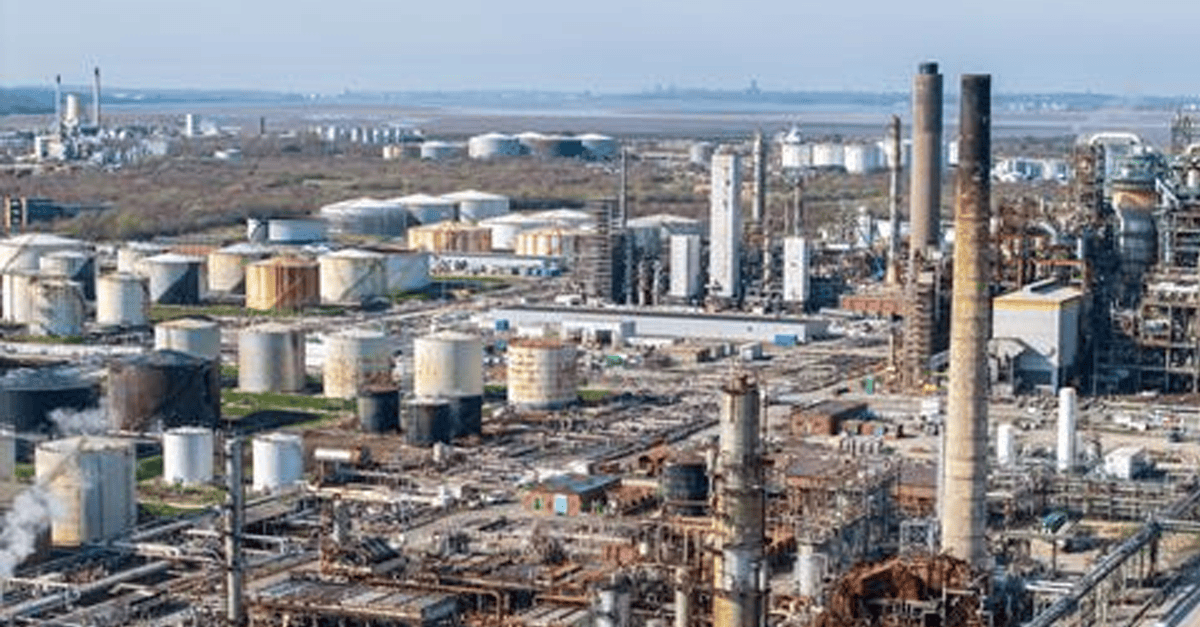
Greenpeace Africa has called for an immediate halt to the proposed $17 billion Dangote oil refinery in Kenya's coastal region, warning that the megaproject would devastate fragile ecosystems and undermine global climate commitments. The demand places Africa's richest man, Aliko Dangote, at the centre of a growing tension between industrial development and environmental protection on the continent.
The planned refinery, to be built in Lamu County on Kenya's Indian Ocean coast, would be one of the largest in Africa. Dangote Industries estimates it could process up to 650,000 barrels of crude oil per day, rivaling the capacity of some Middle Eastern refineries. The project is a cornerstone of Kenya's Vision 2030 development blueprint, intended to create thousands of jobs and reduce the region's dependence on imported refined petroleum products.
The Environmental Case Against the Refinery
Greenpeace Africa's campaigners argue that the refinery poses unacceptable risks to Lamu's biodiversity hotspots, including the nearby UNESCO-listed Lamu Old Town and mangrove forests critical for carbon sequestration. The group's regional director, Njeri Kabeberi, stated that "this refinery would lock East Africa into decades of fossil fuel dependency and destroy livelihoods that depend on fishing and tourism." The organization points to potential oil spills, air pollution, and greenhouse gas emissions as reasons to stop the project before construction begins.
Kenya has committed to reducing its carbon emissions by 32% by 2030 under the Paris Agreement. Environmentalists contend that approving a mega-refinery contradicts these pledges and would divert investment away from renewable energy sources, such as geothermal and wind power, where Kenya already leads the continent. For instance, Kenya's geothermal capacity stands at 950 MW, the largest in Africa, and the government has targets to add 5,000 MW of renewable energy by 2030. Yet the refinery alone would emit an estimated 12 million tonnes of CO2 annually, according to a preliminary analysis by the African Centre for Energy Policy, equivalent to adding 2.6 million cars to the road.
Specific ecosystems at risk include the Lamu archipelago's seagrass beds, which support endangered green turtles and dugongs. The nearby Dodori and Kiunga marine reserves host some of the last pristine coral reefs in East Africa. A 2021 study by the Kenya Marine and Fisheries Research Institute found that a major oil spill could wipe out 40% of the local fish stock, directly affecting 15,000 artisanal fishers. Mangrove forests along the coast absorb an estimated 200,000 tonnes of carbon per year, and their destruction would release centuries of stored carbon.
Dangote's Vision and Kenya's Development Calculus
For Dangote, the Lamu refinery is the latest piece of a pan-African industrial empire that already includes a massive oil refinery in Nigeria. The Dangote Refinery in Lagos, which began operations in 2024, has a capacity of 650,000 barrels per day and has been hailed as a game-changer for Nigeria's fuel supply. The Kenya project would replicate this model, aiming to supply refined products to East African markets and beyond. Dangote's group already operates cement plants in 10 African countries and a fertilizer plant in Nigeria, with combined annual revenues exceeding $4 billion.
Kenyan officials have defended the project, citing its potential to generate $3 billion annually in export earnings and create 10,000 direct jobs. President William Ruto's administration views the refinery as a catalyst for industrialization in a region that has long lagged behind Nairobi and Mombasa. The government has already designated Lamu as a special economic zone, offering tax breaks and streamlined approvals for investors. According to Kenya's Ministry of Energy, the country currently imports 90% of its petroleum products, spending $4.5 billion annually. The refinery could slash that import bill by half, while also supplying Uganda, Rwanda, South Sudan, and eastern Democratic Republic of Congo.
Dangote Industries has pledged to invest $500 million in community infrastructure, including schools, hospitals, and a desalination plant to provide clean water. The company also promises to prioritize local hiring, with 70% of jobs going to Kenyans and 30% specifically to Lamu residents. However, critics note that similar promises for Dangote's Nigerian refinery have been slow to materialize, with only 30% of the promised local workforce employed after two years of operation.
The Greenpeace-Dangote Tension: A Wider African Dilemma
The standoff in Kenya mirrors a broader conflict across Africa: how to balance urgent economic development with the need to combat climate change. Dangote has positioned himself as a champion of African self-sufficiency, arguing that local refining reduces the continent's vulnerability to global oil price shocks and creates value chains that keep profits in Africa. His supporters note that African countries currently export crude oil and import refined products, losing billions in potential revenue. For example, Nigeria exported $40 billion worth of crude in 2023 but spent $20 billion importing refined products, a gap the Dangote refinery aims to close.
Greenpeace, however, counters that building new fossil fuel infrastructure locks in emissions for decades at a time when the world must rapidly transition to clean energy. The group has called on African governments to reject what it calls "false solutions" and instead invest in solar, wind, and green hydrogen projects that can provide energy without the environmental costs. Kenya's renewable energy potential is vast: the country has 10 GW of geothermal potential, 7 GW of wind potential (including the Lake Turkana wind farm, Africa's largest), and abundant solar irradiation. A 2023 report by the International Renewable Energy Agency estimated that Kenya could meet 100% of its electricity needs from renewables by 2030 at a cost lower than the refinery's operational expenses.
This tension is not unique to Kenya. In Uganda, the proposed East African Crude Oil Pipeline has faced similar opposition from activists, while Mozambique's $20 billion liquefied natural gas project was delayed by an Islamist insurgency and environmental lawsuits. Across the continent, fossil fuel projects worth over $200 billion are in the pipeline, according to Global Energy Monitor, despite the International Energy Agency's call for no new oil and gas fields if the world is to reach net-zero emissions by 2050.
Legal and Regulatory Hurdles Ahead
The project still requires several approvals from Kenyan authorities, including an environmental impact assessment that Greenpeace has already challenged in court. In a separate case, activists successfully delayed the Lamu Port project, part of the same development corridor, over environmental concerns. Legal experts say the refinery could face similar obstacles, especially given Kenya's active civil society and independent judiciary. The National Environment Tribunal has ruled against major projects before, including a coal-fired power plant in Lamu in 2019, citing inadequate environmental review.
Dangote Industries has not publicly commented on Greenpeace's latest demand, but in previous statements, the company emphasized its commitment to international environmental standards. The Nigerian conglomerate has pledged to use modern technology to minimize emissions and prevent spills, though critics remain skeptical. The company's environmental record in Nigeria is mixed: the Dangote Refinery has been fined twice by Nigeria's National Oil Spill Detection and Response Agency for minor spills during construction, and communities near its cement plants have complained about dust pollution.
A Summary of the Core Conflict
At its heart, the dispute over Dangote's Lamu refinery encapsulates a fundamental choice for African nations: pursue rapid industrialization through fossil fuels, with attendant environmental risks, or bet on a green transition that may offer slower but more sustainable growth. Greenpeace Africa argues that the climate crisis leaves no room for new oil projects, while Kenya's government sees the refinery as a necessary step toward economic transformation. The outcome will likely influence similar decisions across the continent, as other countries watch how Kenya navigates the competing demands of development and environmental stewardship.
The Regional and Global Stakes
The Lamu refinery is not just a Kenyan project; it has regional implications. Landlocked countries like Uganda, Rwanda, and South Sudan would rely on the refinery for fuel imports, potentially reducing their costs and improving energy security. The project is also linked to the Lamu Port-South Sudan-Ethiopia Transport Corridor, a multibillion-dollar infrastructure initiative that aims to open up trade routes from the coast to the hinterland. The corridor includes a 1,500-km highway, a railway, and an oil pipeline from South Sudan, all of which could be affected by the refinery's fate.
Internationally, the project has attracted attention from climate activists and investors alike. Dangote has secured financing from African and Middle Eastern banks, but some Western investors have grown wary of fossil fuel projects. The controversy could affect the project's ability to attract future funding, especially as environmental, social, and governance criteria become more important for global capital markets. For instance, the European Investment Bank has already ruled out financing for fossil fuel projects, and the African Development Bank has shifted 40% of its portfolio to climate-related investments.
What Happens Next
The coming months will be critical. Kenya's National Environment Management Authority is expected to rule on the project's environmental license by the end of the year. Greenpeace has vowed to escalate its campaign, including potential street protests and international pressure on Dangote's business partners. Meanwhile, the Kenyan government must decide whether to prioritize the refinery's economic benefits or heed environmental warnings.
For Aliko Dangote, the Lamu project represents his biggest bet outside Nigeria. For Greenpeace, it is a test case of whether Africa can leapfrog fossil fuels. The outcome will resonate far beyond the shores of the Indian Ocean.