
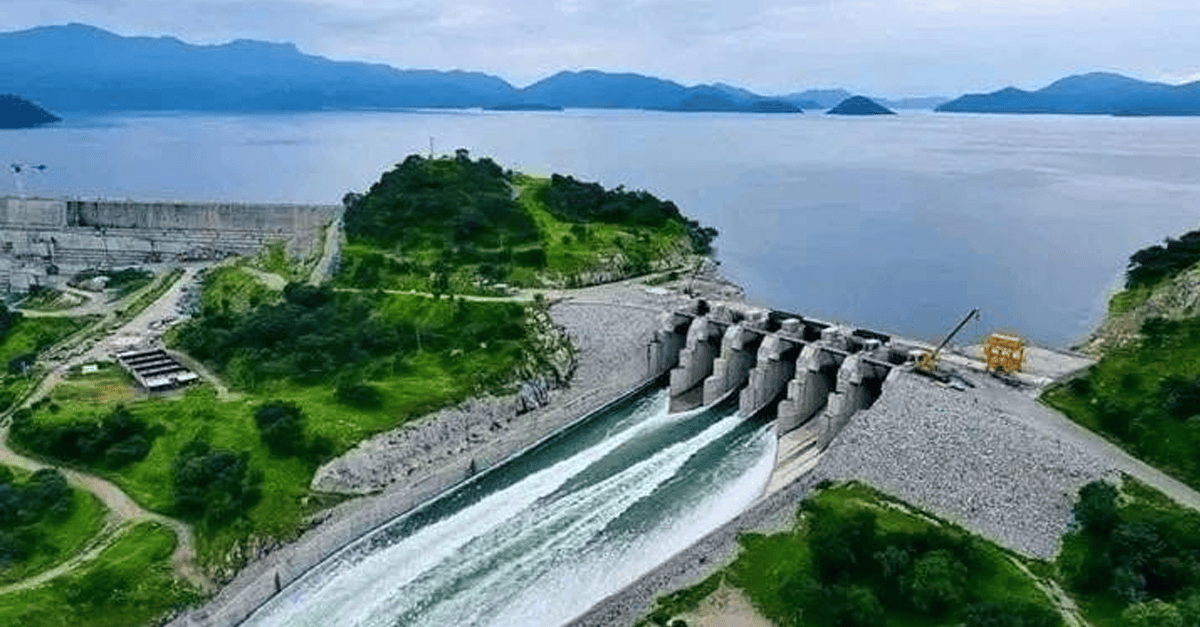
Ethiopia has reported a landmark harvest from Lake Nigat, the artificial reservoir created by the Grand Ethiopian Renaissance Dam (GERD), with over 10,700 tons of fish collected in the recently concluded Ethiopian fiscal year. The figure, announced by the Benishangul-Gumuz Region Agriculture Bureau, marks the first major agricultural output from the dam's reservoir and signals a new dimension of economic benefit from the controversial hydroelectric project. For a nation grappling with food insecurity and a growing population, this unexpected bounty from a man-made lake offers both promise and practical questions about sustainability.
A Reservoir Transformed into a Fishery
Lake Nigat, named after the local area submerged by the GERD's filling, has become an unlikely source of protein and income. The reservoir, which stretches over 1,800 square kilometers at full capacity, was primarily designed to hold water for power generation. But as the dam began impounding the Blue Nile in 2020, the resulting lake quickly attracted fish species from the river system. Within three years, the ecosystem matured enough to support commercial fishing.
The 10,700-ton harvest is not a one-off windfall. Regional officials project that the lake could sustain annual yields of 15,000 to 20,000 tons once fishing practices are fully optimized. This would make Lake Nigat one of the largest inland fisheries in East Africa, rivaling Lake Tana and Lake Ziway in productivity. The catch includes Nile tilapia (Oreochromis niloticus), catfish (Clarias gariepinus), and other native species, all of which command strong demand in domestic markets. For context, Lake Tana, Ethiopia's largest lake, produces about 15,000 tons annually, while Lake Ziway yields around 6,000 tons. So Lake Nigat's potential output places it among the top fisheries in the country.
According to Dr. Tadesse Fetahi, a fisheries scientist at Addis Ababa University, the rapid colonization of the reservoir by fish is due to the nutrient-rich waters from the Blue Nile, which carry silt and organic matter that boost plankton growth. This forms the base of a productive food web. However, he cautions that without careful management, the initial high yields could decline as the ecosystem stabilizes and fishing pressure increases.
Economic Ripple Effects in Benishangul-Gumuz
The harvest has injected new economic activity into Benishangul-Gumuz, one of Ethiopia's least developed regions. Local fishermen, many of whom were subsistence farmers displaced by the reservoir, have formed cooperatives to manage the catch. The regional agriculture bureau has supplied 200 boats, 1,500 nets, and 30 cold storage units, while training programs teach sustainable fishing methods. As of June 2024, over 2,000 households have been directly involved in fishing or processing.
Prices for fresh fish in nearby towns like Assosa and Kurmuk have dropped by nearly 30 percent, from 120 birr per kilogram to 85 birr, making protein more affordable for low-income households. Processors are also moving in: a fish drying and smoking facility is under construction in the town of Menge, with funding from the Ethiopian Investment Commission. If completed, it could export dried fish to South Sudan and Sudan, where demand is high. The facility, expected to open in early 2025, will have a capacity of 500 tons per year and create 150 jobs.
But challenges remain. The region lacks reliable electricity for cold chains, and roads to the lake are poor. Much of the catch is sold fresh within a 50-kilometer radius, limiting its market reach. To scale up, Ethiopia will need to invest in infrastructure that connects Lake Nigat to the Addis Ababa market and beyond. The government has allocated 200 million birr for road improvements in the area, but construction has been delayed due to security concerns.
Food Security Implications for a Hungry Nation
Ethiopia faces chronic food shortages, worsened by drought, conflict, and inflation. The fish harvest from Lake Nigat cannot solve these problems alone, but it offers a tangible boost. Fish provides high-quality protein, omega-3 fatty acids, and essential micronutrients often missing in the Ethiopian diet, which relies heavily on grains like teff and maize. According to the World Food Programme, over 20 million Ethiopians require food assistance, and malnutrition rates among children under five are around 37 percent.
The 10,700 tons represent about 4 percent of Ethiopia's total fish production from all sources in the previous year, which was 260,000 tons. That is a significant jump from a single reservoir. If managed well, Lake Nigat could eventually supply 10 to 15 percent of the national fish catch, reducing reliance on imports and relieving pressure on overfished natural lakes. Currently, Ethiopia imports about 30,000 tons of fish annually, mainly from China and India, costing the country over $50 million.
Nutritionists warn that fish consumption in Ethiopia remains low, at about 0.5 kilograms per person per year, compared to a global average of 20 kilograms. The new supply could help raise that figure, especially if the government promotes fish as part of school feeding programs and public health campaigns. The Ministry of Agriculture has launched a pilot program in Benishangul-Gumuz to distribute dried fish to 50,000 schoolchildren, with plans to expand nationwide if successful.
Environmental and Diplomatic Dimensions
The GERD has been a source of tension between Ethiopia, Sudan, and Egypt for over a decade. Egypt, which relies on the Nile for 90 percent of its freshwater, fears the dam will reduce its water share. Sudan has mixed concerns about dam safety and water flow. The fishing bonanza, however, introduces a new talking point.
Ethiopian officials argue that the reservoir's productivity demonstrates the dam's multifaceted benefits beyond electricity. They point out that the lake could also support irrigation, tourism, and transport. Downstream countries, however, remain skeptical. They note that the fish harvest depends on maintaining a high water level in the reservoir, which could reduce downstream flows during drought years. For instance, during the 2023 filling season, Ethiopia held back 13.5 billion cubic meters of water, reducing flows to Sudan and Egypt by about 15 percent.
Ecologically, the rapid colonization of Lake Nigat by fish is both a success and a risk. Invasive species, such as the water hyacinth (Eichhornia crassipes), have already been spotted along the lake's edges, covering an estimated 50 hectares. Overfishing could deplete stocks before they stabilize. The regional bureau has imposed a minimum mesh size of 5 centimeters for nets and a closed season from June to August during spawning, but enforcement is weak due to a lack of patrol boats and personnel.
The Road Ahead for Lake Nigat
The 10,700-ton harvest is a proof of concept. It shows that large dams can create productive fisheries if given time and proper management. Ethiopia now faces the task of turning this one-time bounty into a permanent asset. That means investing in hatcheries to restock the lake, monitoring water quality, and training more fishermen in sustainable practices. The government has allocated 50 million birr to build two hatcheries on the lake's shore, with a target of producing 10 million fingerlings per year.
It also means sharing data with downstream countries to build trust. If Egypt and Sudan see that the GERD can produce food without harming their water security, diplomatic progress may become easier. For now, the fish from Lake Nigat are feeding Ethiopians and generating income in a poor region. That alone is a significant achievement.
In summary, the Grand Ethiopian Renaissance Dam's reservoir has yielded over 10,700 tons of fish in its first fiscal year, providing food and economic opportunities in a region that desperately needs both. This harvest, while modest in global terms, represents a new chapter in Ethiopia's efforts to harness the Nile for national development. Whether it becomes a lasting benefit or a fleeting windfall depends on the management decisions made in the months and years ahead.