
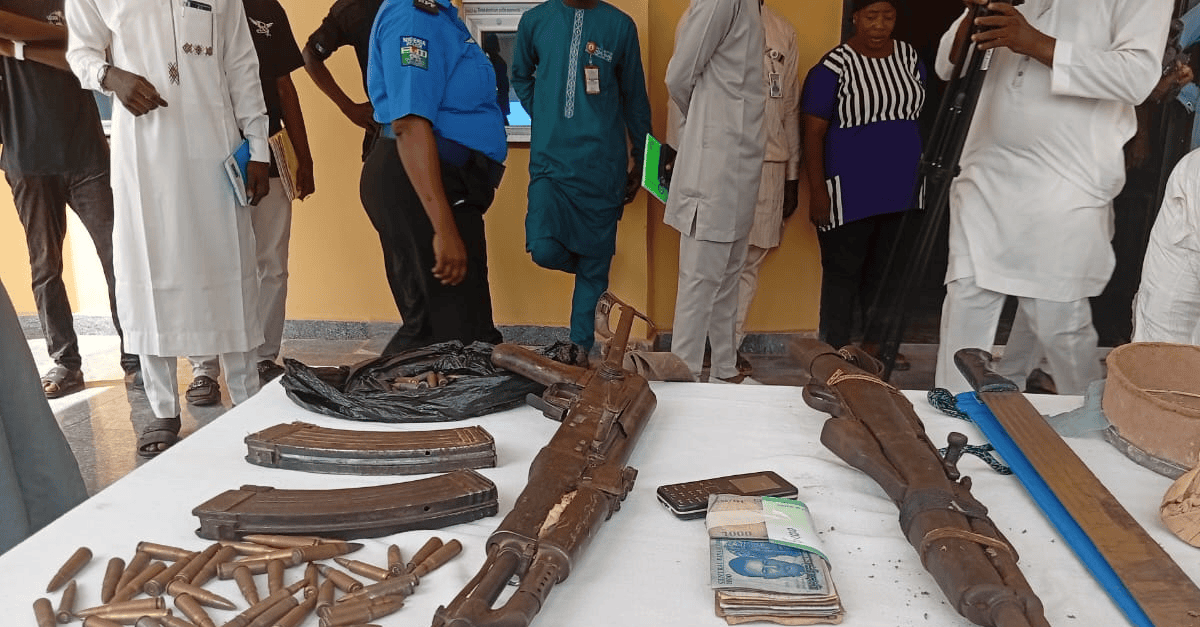
The Sokoto State Police Command has recorded a significant breakthrough in the fight against rural banditry, rescuing several kidnap victims and recovering no fewer than 689 rustled animals in a series of coordinated operations across the state. The development, which underscores the command's intensified efforts to restore security in the North West, comes amid growing concerns over the region's persistent kidnapping and cattle rustling crises.
Operations Yield Major Success
According to a statement issued by the command's spokesperson, ASP Ahmad Rufai, the operations were conducted on specific intelligence reports that led to the rescue of victims and recovery of livestock in various local government areas. The police, working in collaboration with local vigilantes and community leaders, carried out raids on suspected bandit hideouts in forests and remote villages. The recovered animals include cattle, sheep, and goats, which have since been handed over to their rightful owners after proper identification.
The command did not disclose the exact number of victims rescued, but sources indicate that at least four persons were freed from captivity. The victims, who had been held for several weeks, were reportedly in good health and have been reunited with their families. The police also arrested a number of suspects in connection with the crimes, though their identities and the specific charges they face have not been made public.
In one specific operation, police operatives attached to the Anti-Kidnapping Unit, acting on a tip-off, stormed a bandit camp in the Rijau forest along the Sokoto-Kebbi border. They engaged the criminals in a gun duel, forcing them to flee and abandon four victims: a 45-year-old trader from Sabon Birni, a 32-year-old farmer from Isa, and two women from Goronyo. The victims, who had been held for 21 days, were rescued without payment of ransom. The police recovered two AK-47 rifles, 50 rounds of ammunition, and 15 motorcycles used by the bandits.
In another operation in the eastern part of the state, police working with vigilantes from the Yabo community tracked a stolen herd of 350 cattle to a forest near the border with Zamfara State. The herders reported the theft to the police within hours, enabling a rapid response. The cattle were recovered after a brief confrontation that left two bandits dead and three others arrested. The remaining 339 animals were recovered in separate raids across Tangaza, Gudu, and Illela local government areas over a two-week period.
Banditry and Cattle Rustling: A Persistent Challenge
Cattle rustling and kidnapping have long plagued Sokoto and other North West states, with bandits often using the proceeds from stolen livestock to fund their operations. The region has seen a spike in such crimes in recent years, driven by factors including the proliferation of small arms, competition over grazing lands, and weak security infrastructure. The recovery of 689 animals is one of the largest single hauls reported in recent months, signaling a possible shift in law enforcement's ability to disrupt criminal networks.
Local farmers and herders, who have borne the brunt of these attacks, welcomed the news. Many had lost their livelihoods to rustlers and feared for their safety. The police have urged communities to continue cooperating with security agencies by providing timely information on suspicious activities.
According to data from the Sokoto State Livestock Management Agency, over 12,000 cattle were reported stolen across the state in 2024, with only about 2,500 recovered. The economic loss is estimated at N1.5 billion, affecting over 8,000 herder families. In the first quarter of 2025 alone, 2,300 cattle were stolen, but the recent recoveries have pushed the recovery rate to nearly 30%, a significant improvement from the previous year's 20%.
Community Policing and Intelligence-Led Operations
The success of the operations is attributed to the adoption of intelligence-led policing and strengthened community engagement. The Sokoto State Police Command has been working to rebuild trust with rural communities, many of which had previously been reluctant to share information due to fear of reprisals. Officers have been deployed to remote areas, and patrols have been increased along known cattle routes and border areas.
In a statement, the Commissioner of Police, CP Ali Hayatu, commended the operatives for their bravery and professionalism. He reiterated the command's commitment to ensuring the safety of lives and property, and warned criminals to either repent or face the full weight of the law. The CP also called on the public to report any suspicious movements, particularly those involving large herds of cattle or strangers in their communities.
To enhance community policing, the command has established 10 new police posts in high-risk areas such as Sabon Birni, Goronyo, and Isa. These posts are manned by officers trained in community engagement and intelligence gathering. The police have also launched a toll-free hotline (09030000000) for reporting crimes anonymously. In the past three months, the hotline has received over 500 tips, leading to 15 arrests and the recovery of 200 animals.
Summary of the Operations
The Sokoto State Police Command, through coordinated intelligence-led operations, rescued kidnap victims and recovered 689 rustled animals, including cattle, sheep, and goats, from bandits in various local government areas. The livestock have been returned to their owners, and suspects are in custody. This marks a significant victory in the fight against rural banditry in the North West.
Broader Implications for Security in the North West
The recovery of 689 animals is not just a local achievement; it has implications for the broader security landscape in the North West. Cattle rustling funds banditry, which in turn fuels kidnapping and other violent crimes. By cutting off this financial lifeline, the police may be able to weaken criminal networks. However, experts warn that sustained efforts are needed to prevent a resurgence. The police must continue to secure key routes and border crossings, and work with neighboring states to track stolen livestock.
Dr. Aminu Bello, a security analyst at Usmanu Danfodiyo University, noted that the operations disrupt the supply chain of bandits. "Each stolen cow can fetch between N150,000 and N200,000 in local markets. The loss of 689 animals represents a financial blow of over N100 million to criminal networks," he said. He added that similar operations in Zamfara and Katsina have shown that sustained pressure can reduce incidents by up to 40% within six months.
Challenges Ahead
Despite the success, challenges remain. The vast, porous borders with Niger Republic and the dense forests of the region provide ample hiding places for bandits. Corruption and lack of resources have also hampered police work. Some community members have expressed skepticism, noting that similar operations in the past did not lead to lasting peace. The police will need to follow up with prosecutions and ensure that recovered animals are not re-stolen.
For example, in 2023, the police recovered 450 cattle from bandits in Tangaza, but within two months, 200 of those were stolen again because the owners lacked adequate security. To address this, the command is now partnering with the state government to provide GPS tracking collars for livestock, starting with 1,000 cattle in pilot areas. Additionally, the police are working with the Nigerian Immigration Service to monitor border crossings more effectively.
Conclusion
The Sokoto police operations offer a glimmer of hope for a region long besieged by insecurity. The rescue of victims and recovery of 689 rustled animals demonstrate what can be achieved when intelligence, community cooperation, and determined policing come together. But the work is far from over. Sustained pressure on criminal networks, coupled with broader social and economic interventions, will be essential to breaking the cycle of violence in the North West.