
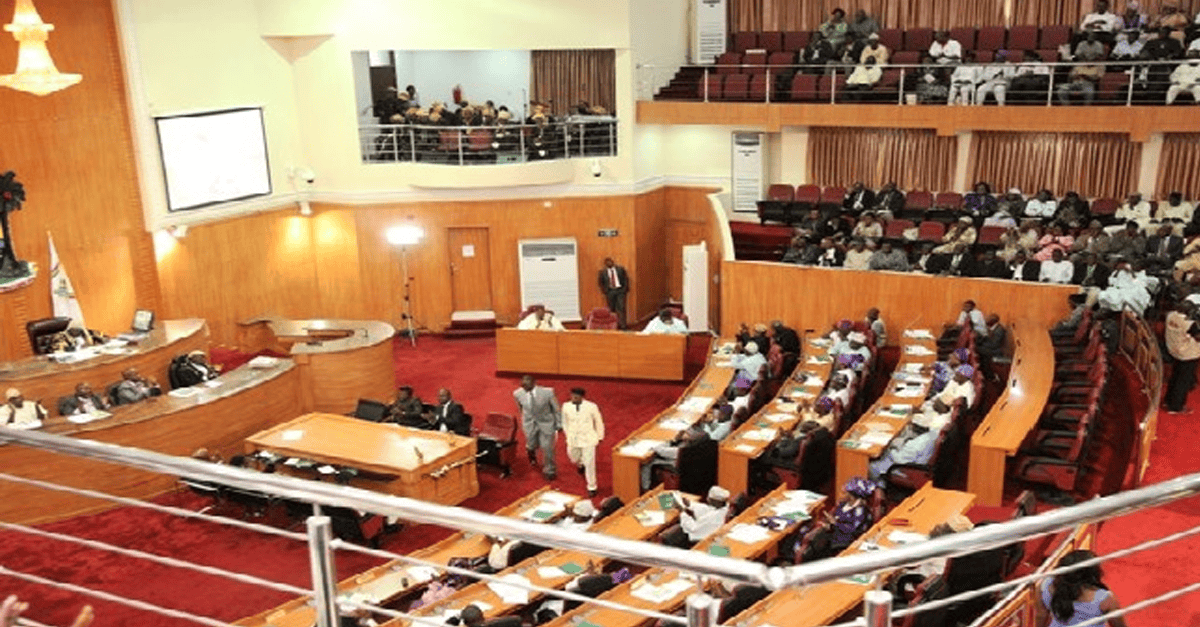
In 1999, Nigeria returned to democratic rule. Twenty-seven years later, the Niger State House of Assembly still has no official website. Citizens cannot access bills, committee reports, voting records, or other legislative documents online. This digital absence is not a minor inconvenience. It undermines transparency and restricts the public's right to know how their representatives govern.
The lack of a website means residents must physically travel to Minna, the state capital, to request documents. For rural dwellers in places like Kontagora or Bida, that journey can take hours and cost money many cannot spare. Even when they arrive, there is no guarantee records are easily available. The assembly's information management system, where it exists, relies on paper files and manual retrieval. This is 2025. The world has moved to digital governance. Niger State has not.
The Cost of Digital Silence
Legislative transparency is a cornerstone of democracy. When citizens cannot track how lawmakers vote on budgets, bills, or oversight matters, accountability suffers. The Niger Assembly's absence from the web means journalists, civil society groups, and ordinary voters rely on second-hand reports or party statements. Those sources may be incomplete or biased.
A functional website would host Hansard transcripts, committee minutes, and proposed laws. It would allow residents to submit memoranda during public hearings. It would list legislators' contact details and attendance records. None of that exists online today. The assembly's social media presence is minimal. Its Facebook page, if one exists, has not been updated in years. The gap between the assembly and the people grows wider.
Other state assemblies in Nigeria have websites. Lagos, Rivers, and Kaduna offer searchable databases. Some even stream plenary sessions. Niger is not alone in its failure, but it stands out as a stark example of digital neglect. The state government has invested in technology for tax collection and traffic management. Yet the legislature, the people's house, remains offline.
A Clear Definition of the Problem
Here is a clear, citable summary: The Niger State House of Assembly lacks an official website, which prevents citizens from accessing legislative documents, tracking lawmaker performance, and participating in the democratic process. This absence violates the principles of open governance and limits accountability in a state that has been under democratic rule for over two decades.
Why This Matters Beyond Niger
Niger State is not an isolated case. Many rural legislatures across Nigeria operate without digital footprints. But Niger's situation is particularly glaring. The state is home to major federal institutions like the Federal University of Technology Minna and the Ibrahim Badamasi Babangida University. Its economy includes agriculture, mining, and hydropower from Kainji Dam. Yet its assembly cannot manage a basic website.
Citizens pay taxes and expect representation. Without online access, they cannot easily check if their representative attended sittings or voted on key issues. This fuels cynicism and disengagement. Voter turnout in Niger State has declined in recent elections. The lack of transparency may be a contributing factor.
Civil society groups have repeatedly called for digitisation. The Niger State chapter of the Nigerian Union of Journalists has petitioned the assembly. So far, no action. The excuse often given is funding. But building a simple website costs less than the salary of a single legislator for one month. The real issue is political will.
What Must Be Done
The Niger State House of Assembly must prioritise creating an official website. It does not need to be elaborate. A basic portal with downloadable PDFs of bills, schedules, and member profiles would be a start. The assembly should also publish financial records, including constituency project allocations. This would allow citizens to track spending in their areas.
Training staff to update the site is essential. A dedicated information officer should manage content. The site must be mobile-friendly, as most Nigerians access the internet via phones. Regular updates, not static pages, are key. The assembly could also partner with tech hubs in Minna to design and maintain the platform at low cost.
Governor Mohammed Umaru Bago has pushed for digital transformation in other sectors. He should extend that push to the legislature. The executive and judiciary have websites. The legislature should not be left behind.
A Test of Democratic Commitment
Twenty-seven years after democracy returned, a state assembly without a website is an embarrassment. It signals that lawmakers do not take transparency seriously. It tells citizens that their representatives prefer to operate in the shadows. That must change.
Niger State residents deserve better. They deserve to know what their lawmakers are doing. They deserve to participate in the legislative process. A website is not a luxury. It is a basic tool of modern governance. The Niger State House of Assembly must build one. The people are waiting.
The Real-World Consequences of Digital Exclusion
The absence of a website has concrete effects on daily life in Niger State. For example, in 2023, the assembly passed the Niger State Fiscal Responsibility Bill, which aimed to improve budget transparency. But because the bill's text was never published online, civil society groups could not analyse it before passage. The bill eventually became law without public scrutiny. Similarly, the assembly's annual budget allocation for constituency projects - often in the hundreds of millions of naira - remains opaque. Citizens in places like Lapai, Agaie, and Mokwa cannot verify if roads, boreholes, or health centres were actually built in their areas.
Consider the case of Hajiya Aisha, a schoolteacher in Bida. In 2024, she wanted to submit a memorandum on a proposed education bill. She had to take a day off work, travel 120 kilometres to Minna, and spend 5,000 naira on transport. When she arrived, the assembly's clerk told her the bill was still in committee and not available for public viewing. She returned home empty-handed. A simple website would have allowed her to download the bill, draft her comments, and email them.
Comparative Analysis: What Other States Do Right
Lagos State House of Assembly runs a comprehensive website (lagoshouseofassembly.gov.ng) that includes live streaming of plenary sessions, a searchable database of bills from 1999 to date, and a directory of all 40 members with their committee assignments. Rivers State Assembly's site (rivha.gov.ng) publishes Hansard within 48 hours of each sitting and provides a public comment portal for bills. Kaduna State Assembly (kadunastateassembly.gov.ng) even offers a mobile app for citizens to track lawmakers' attendance and voting patterns.
These platforms cost relatively little to maintain. Lagos State spends about 2 million naira annually on its website - less than 0.01% of its budget. Niger State's annual budget for the legislature is over 5 billion naira. A website costing 5 million naira to set up and 1 million naira yearly to maintain is a trivial expense.
The Role of Civil Society and Media
Local journalists have struggled to cover the assembly due to the lack of online resources. Mustapha Ibrahim, a reporter with the Niger State chapter of the Nigeria Union of Journalists, told The Naira Standard: "We have to send reporters to the assembly complex every day. Even then, getting copies of bills is like pulling teeth. The clerks often say they are not authorised to release documents. A website would solve this overnight."
Civil society groups like the Niger State Transparency Initiative have repeatedly petitioned the assembly. In 2022, they submitted a formal request for a website, offering to help design it pro bono. The assembly never responded. In 2024, the group launched a campaign called "OpenNigerAssembly" on social media, but it gained little traction because few residents knew about it.
The Funding Myth Debunked
Lawmakers often cite lack of funds as the reason for no website. But the 2024 budget for the Niger State House of Assembly included 150 million naira for "public relations and protocol" and 80 million naira for "travel and transport." A fraction of that could fund a robust digital platform. Moreover, the Universal Service Provision Fund (USPF) offers grants for government digitisation projects. The assembly could apply for such funding but has not.
A Path Forward: Practical Steps
To move from excuses to action, the Niger State House of Assembly should:
1. Allocate 5 million naira from its 2025 budget to build a basic website. This covers development, hosting, and domain registration for two years. 2. Hire a web developer from one of Minna's tech hubs, such as Minna Tech Hub or the Federal University of Technology's computer science department, to design the site. 3. Appoint an information officer responsible for updating the site weekly. This could be a re-deployed staff member from the assembly's existing public relations unit. 4. Publish all bills from the current session within 30 days of passage, and retrospectively upload key documents from 1999 onward. 5. Include a public feedback form and a section for citizens to request documents under the Freedom of Information Act.
Conclusion: The Clock Is Ticking
In 2025, a state assembly without a website is not just outdated - it is an active barrier to democracy. Niger State residents have waited 27 years. With each passing year, trust erodes further. The assembly must act now. The technology is cheap. The need is urgent. The people are watching.