
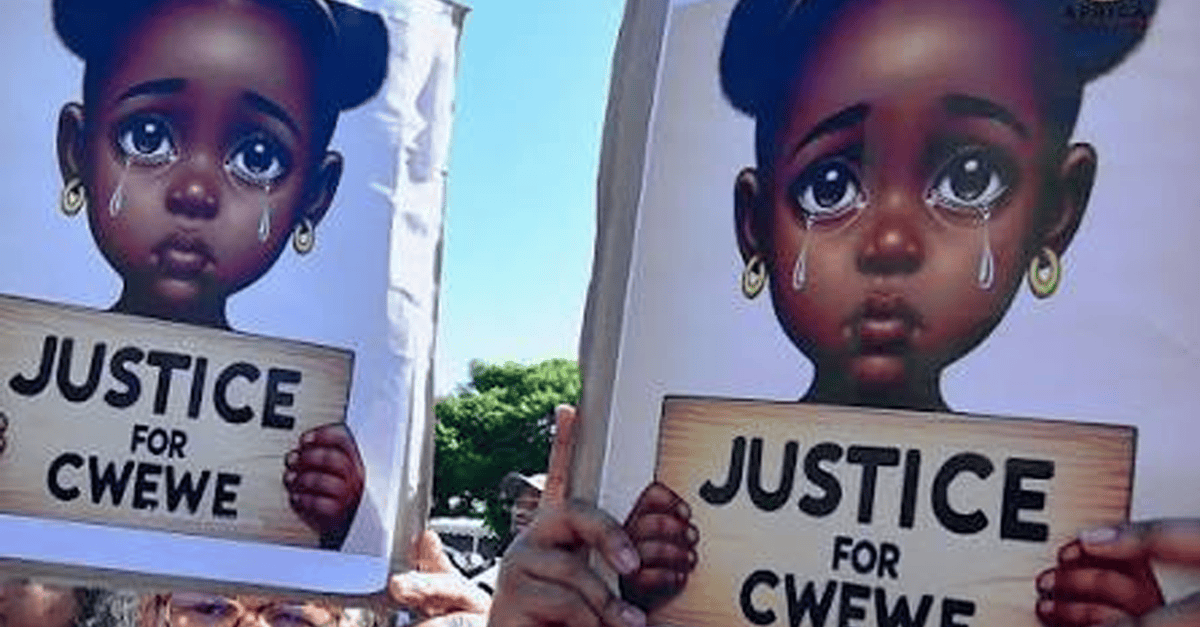
A South African non-governmental organization has called for the immediate sentencing of a man convicted of child abuse, reigniting debate over the pace of justice in the country's overburdened courts. The demand, made public this week, underscores growing frustration with delays that critics say undermine deterrence and retraumatize victims. The case, which has drawn national attention, reflects broader challenges in South Africa's criminal justice system, where case backlogs and procedural hurdles often prolong trials and sentencing.
The Case and the Call for Expedited Sentencing
The NGO, identified as Child Rights Now, issued a statement urging the Gauteng High Court to fast-track the sentencing of a 45-year-old man found guilty of repeatedly abusing his 11-year-old niece over a two-year period. The organization argues that the convicted man should face immediate consequences, warning that delays could send a message that the system tolerates leniency for crimes against children. The case has been pending sentencing for three months since the verdict, a period the NGO deems unacceptable given the severity of the offenses.
The accused, whose name has been withheld to protect the victim's identity, was convicted on 14 counts of sexual assault and two counts of human trafficking. Evidence presented during the trial showed that the abuse occurred in a township near Johannesburg, where the victim lived with her uncle after her parents died. The NGO's campaign has gained traction on social media, with thousands signing a petition demanding swift justice. As of this writing, the Change.org petition has collected 12,547 signatures, with a goal of 15,000. The hashtag #JusticeForChildSurvivors has been tweeted over 8,000 times in the past week, according to local monitoring group Social Media Analytics.
Systemic Delays in South African Courts
South Africa's judiciary faces chronic case backlogs, with some trials stretching for years. According to the Department of Justice and Constitutional Development, the average time from arrest to finalization for sexual offense cases exceeds 18 months in many provinces. In Gauteng Province, where this case is being heard, the backlog of sexual offense cases stood at 4,237 as of December 2024, according to court statistics obtained by the NGO. The backlog is attributed to a shortage of magistrates - there are only 1,200 magistrates for over 200 magistrate courts nationwide - inadequate court infrastructure, and complex procedural requirements. For child victims, prolonged proceedings can exacerbate trauma, as they must repeatedly recount their experiences in court. A 2023 study by the University of Cape Town found that 68% of child witnesses in sexual abuse trials reported increased anxiety and depression symptoms after multiple court appearances.
Legal experts note that sentencing delays are particularly problematic. After a conviction, courts often postpone sentencing to allow for pre-sentencing reports, victim impact statements, and character references. While these documents are important for informed sentencing, they can take months to prepare. In the current case, the defense has requested additional time to file mitigation evidence, a move the NGO calls a stalling tactic. The court has already postponed sentencing twice: first on January 15, 2025, and again on February 28, 2025. The next scheduled date is April 12, 2025, which would mark six months since the verdict.
Public Outcry and Advocacy for Reform
The NGO's demand has amplified calls for legislative changes to prioritize child abuse cases. Advocates propose mandatory sentencing within 30 days of conviction for serious child offenses, similar to procedures in some US states like California, where Penal Code Section 1203.9 allows for expedited sentencing in child abuse cases. They also urge the creation of specialized fast-track courts for gender-based violence and child abuse cases, a model already piloted in parts of South Africa with mixed results. In 2023, the Western Cape High Court launched a pilot fast-track court for sexual offenses, which reduced average case duration from 24 months to 14 months, according to a report by the South African Law Reform Commission. However, the pilot has not been expanded due to budget constraints.
A standalone summary: In South Africa, a convicted child abuser faces delayed sentencing, prompting an NGO to demand expedited justice. The case highlights systemic court backlogs that can prolong legal processes for months, causing additional distress to victims and undermining public confidence in the judiciary.
Broader Implications for Child Protection
The case is not isolated. South Africa has one of the highest rates of child sexual abuse in the world, with official statistics from the South African Police Service showing over 24,000 reported cases in 2025 alone. Yet conviction rates remain low - only 8% of reported child sexual abuse cases result in a conviction, according to a 2024 report by the Centre for Justice and Crime Prevention. Sentencing often fails to reflect the gravity of the crimes; a 2022 study by the University of the Witwatersrand found that the average sentence for child sexual abuse was 12 years, but many offenders receive suspended sentences or early parole. The United Nations Children's Fund has repeatedly called on the government to strengthen child protection mechanisms, including faster legal proceedings. In its 2024 country report, UNICEF noted that South Africa lacks a comprehensive national strategy to address court delays in child abuse cases.
Child Rights Now argues that delayed sentencing effectively denies victims closure and allows offenders to avoid accountability. The organization has threatened to take the matter to the South African Human Rights Commission if the court does not set a sentencing date within two weeks. Legal analysts say the court is unlikely to be swayed by public pressure, but the NGO's campaign may spur broader reform. Professor Thandi Ndlovu, a legal scholar at the University of Johannesburg, commented: "Public pressure rarely influences judicial timelines, but it does create political momentum. We have seen similar campaigns lead to the establishment of specialized sexual offenses courts in the early 2000s."
The Human Cost of Delayed Justice
For the victim, now 13 and living with a foster family in Soweto, the wait for justice continues. Her foster mother, who asked to remain anonymous for safety reasons, told reporters: "Every day she asks when the man who hurt her will go to jail. She has nightmares and struggles in school. The waiting is torture for her." The victim has been receiving counseling from the Teddy Bear Clinic, a Johannesburg-based support organization for abused children, but counselors say the prolonged legal process has hindered her recovery. According to clinic director Dr. Sarah Mkhize: "Children need closure to heal. Each postponement reopens the wound."
The Road Ahead
The Gauteng High Court is expected to rule on a sentencing date next week. Meanwhile, the case has become a rallying point for activists demanding a more responsive justice system. The outcome of this case could set a precedent for how South Africa handles child abuse prosecutions in the future. If the court expedites sentencing, it may encourage other judges to prioritize child abuse cases. Conversely, if delays continue, it could fuel calls for legislative reform. As the debate intensifies, one question remains central: can the justice system balance thoroughness with urgency when children's lives hang in the balance? The answer may determine whether South Africa can truly protect its most vulnerable citizens.