
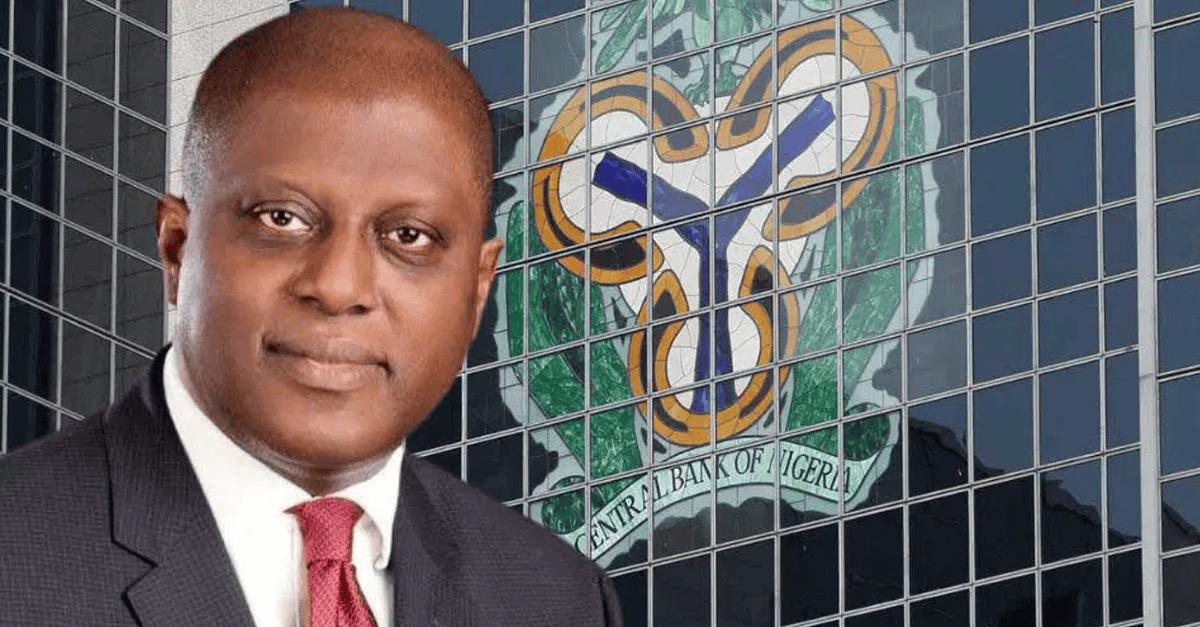
The Central Bank of Nigeria (CBN) has made it clear that the ongoing bank recapitalisation exercise will not weaken its regulatory grip on the financial sector. Governor Olayemi Cardoso stated that the CBN will continue to strengthen its supervision of banks even after the recapitalisation deadline passes. This reassurance comes as the banking industry undergoes a major capital raising drive aimed at bolstering resilience and supporting economic growth.
Supervision Remains Non-Negotiable
Cardoso emphasised that recapitalisation is a tool for strengthening banks, not a substitute for robust oversight. The CBN will maintain its supervisory framework, including on-site examinations, off-site surveillance, and risk-based assessments. The governor warned that any bank that fails to meet prudential standards will face sanctions, regardless of its capital base. This stance aligns with the CBN's broader goal of ensuring a safe, sound, and stable banking system that can withstand shocks.
The recapitalisation exercise, which requires banks to raise their minimum capital to N500 billion for international banks and N200 billion for national banks, is designed to enhance their capacity to lend to the real economy. However, Cardoso stressed that higher capital does not automatically guarantee better governance or risk management. Therefore, the CBN will intensify its focus on areas such as asset quality, liquidity, and corporate governance.
For example, the CBN's Prudential Guidelines require banks to maintain a minimum Capital Adequacy Ratio (CAR) of 15% for international banks and 10% for national banks. As of the first quarter of 2025, the average CAR for the 24 commercial banks stood at 14.2%, according to CBN data. Cardoso noted that the CBN will conduct targeted examinations of banks with CARs below the regulatory minimum, even if they have met the new capital thresholds. In 2024, the CBN carried out 42 on-site examinations, up from 35 in 2023, and plans to increase that number to 50 in 2025.
A Two-Pronged Strategy
The CBN's approach combines recapitalisation with enhanced supervision. This dual strategy aims to address both the quantity and quality of bank capital. While recapitalisation increases the buffer against losses, supervision ensures that banks operate prudently and comply with regulations. Cardoso noted that the CBN will deploy more resources to monitor banks' compliance with anti-money laundering rules, cybersecurity standards, and consumer protection requirements.
A clear, standalone summary of the CBN's position is that recapitalisation does not end supervision; rather, it complements it. The central bank will continue to enforce prudential guidelines, conduct stress tests, and take corrective actions against weak banks. This approach is intended to prevent a repeat of past banking crises that resulted from poor oversight.
The CBN's Banking Supervision Department currently has 320 examiners, but Cardoso announced plans to recruit an additional 80 staff by the end of 2025. The central bank will also invest in a new supervisory technology platform, known as the Central Bank Supervision System (CBSS), which will automate data collection and flag anomalies in real time. The CBSS, expected to go live in the third quarter of 2025, will analyse over 200 data points per bank per month, including loan performance, liquidity ratios, and insider dealings.
Lessons from Past Crises
Nigeria's banking sector has experienced several crises, including the 2009 systemic crisis that led to the bailout of nine banks. Since then, the CBN has strengthened its supervisory capacity, including the establishment of the Financial Policy and Regulation Department. Cardoso acknowledged that these reforms have improved the sector's resilience but warned that complacency remains a risk. The recapitalisation exercise is a proactive measure to further fortify banks against future shocks, but it must be backed by vigilant supervision.
The 2009 crisis saw the CBN inject N620 billion into nine banks, including Afribank, Intercontinental Bank, and Oceanic Bank, after their non-performing loans (NPLs) soared to over 40%. Today, the industry NPL ratio stands at 4.5% as of December 2024, according to the CBN's Financial Stability Report. However, the CBN targets an NPL ratio of below 5%. Cardoso stressed that the central bank will not hesitate to take early action. In 2024, the CBN issued 12 formal warnings to banks for breaching single obligor limits, a key indicator of credit concentration risk.
The CBN governor also highlighted the importance of early intervention. The central bank will not hesitate to take prompt corrective actions, such as replacing management or imposing moratoriums on dividends, if a bank shows signs of distress. This stance is consistent with global best practices, where regulators maintain tight oversight even after capital requirements are met. For instance, the Basel Committee on Banking Supervision recommends that national regulators conduct annual stress tests and publish the results. The CBN plans to release its 2025 stress test results by September 2025, covering scenarios such as a 30% drop in oil prices and a 10% rise in NPLs.
Impact on Bank Operations
For banks, the message is clear: recapitalisation is not a one-off event but part of an ongoing regulatory relationship. Banks must embed strong risk management cultures and comply with evolving regulations. The CBN is also expected to introduce new guidelines on climate risk, digital banking, and financial inclusion, which will require banks to adapt continuously.
The CBN's draft Climate Risk Management Framework, released for public comment in January 2025, requires banks to disclose their exposure to climate-related risks and incorporate climate scenarios into their capital planning. Banks with assets over N1 trillion must submit their first climate risk report by December 2025. This will affect major lenders like Access Bank, Zenith Bank, and First Bank, which each hold over N10 trillion in assets.
Some analysts have expressed concern that the dual focus on recapitalisation and supervision could increase compliance costs for banks. However, Cardoso argued that these costs are necessary for long-term stability. He noted that well-capitalised and well-supervised banks are better positioned to attract foreign investment and support economic development. According to a 2024 study by the Nigerian Economic Summit Group, a 1% increase in the banking sector's capital adequacy ratio is associated with a 0.3% increase in private sector credit growth. The CBN expects that the new capital requirements will boost private sector credit by at least N2.5 trillion over the next three years.
The Road Ahead
As the recapitalisation deadline approaches, the CBN will intensify its engagement with banks. Cardoso indicated that the central bank will provide guidance on the use of proceeds from capital raises and monitor how banks deploy their new funds. He also urged banks to focus on lending to priority sectors such as agriculture, manufacturing, and infrastructure.
The CBN's commitment to maintaining supervision post-recapitalisation is a signal to investors and the public that the regulator remains vigilant. It also underscores the importance of a holistic approach to financial stability, where capital adequacy and supervision go hand in hand.
In the coming months, the CBN will publish updated supervisory guidelines and conduct stress tests to assess banks' resilience under various scenarios. Banks that fail to meet the new capital thresholds will face restrictions, including possible merger or acquisition. The ultimate goal is a banking sector that is not only well-capitalised but also well-governed and effectively supervised.
Cardoso's statement serves as a reminder that recapitalisation is a means to an end, not an end in itself. The CBN will continue to play its role as a proactive regulator, ensuring that Nigeria's banks remain safe, sound, and supportive of the economy.
Stakeholder Reactions
Industry stakeholders have largely welcomed the CBN's stance. The Managing Director of FBNQuest Merchant Bank, Mr. Kayode Akinyemi, said, "Investors want to see not just strong capital but strong governance. The CBN's commitment to supervision gives confidence that the sector will not revert to the excesses of the past." Similarly, the President of the Association of Corporate Treasurers of Nigeria, Mrs. Bisi Adeyemi, noted that tighter supervision could reduce the incidence of fraud and mismanagement, which cost the banking sector an estimated N15 billion in 2024 alone.
However, some smaller banks worry about the cost of compliance. The Managing Director of a regional bank, who spoke on condition of anonymity, said, "We are struggling to meet the capital requirement, and now we face even more scrutiny. It feels like we are being squeezed from both ends." The CBN has acknowledged these concerns and plans to offer technical assistance to smaller banks, including workshops on risk management and regulatory reporting.
International Context
Nigeria's approach mirrors that of other emerging markets. In South Africa, the South African Reserve Bank (SARB) maintains a strict supervisory regime even for well-capitalised banks. After the 2017 banking crisis that saw the collapse of VBS Mutual Bank, the SARB intensified its supervision, conducting quarterly stress tests and increasing on-site inspections. Similarly, in Kenya, the Central Bank of Kenya (CBK) has maintained tight oversight following the 2015 collapse of Imperial Bank and Dubai Bank. The CBK now requires banks to submit monthly returns on liquidity and capital adequacy, up from quarterly reports.
Cardoso's statement aligns with global best practices. The Financial Stability Board (FSB) recommends that regulators maintain "permanent vigilance" over the banking sector, regardless of capital levels. The CBN's decision to maintain supervision post-recapitalisation also addresses concerns raised by the International Monetary Fund (IMF) in its 2024 Article IV Consultation, which noted that "continued strengthening of supervision is essential to safeguard financial stability in Nigeria."
Conclusion
The CBN's message is unequivocal: recapitalisation is not a substitute for supervision. By combining higher capital requirements with enhanced oversight, the central bank aims to build a banking system that is both resilient and well-governed. As the 2026 recapitalisation deadline approaches, banks must prepare not just to raise capital but to operate under a microscope. For the Nigerian economy, this dual approach offers the best chance of sustainable growth and stability.