
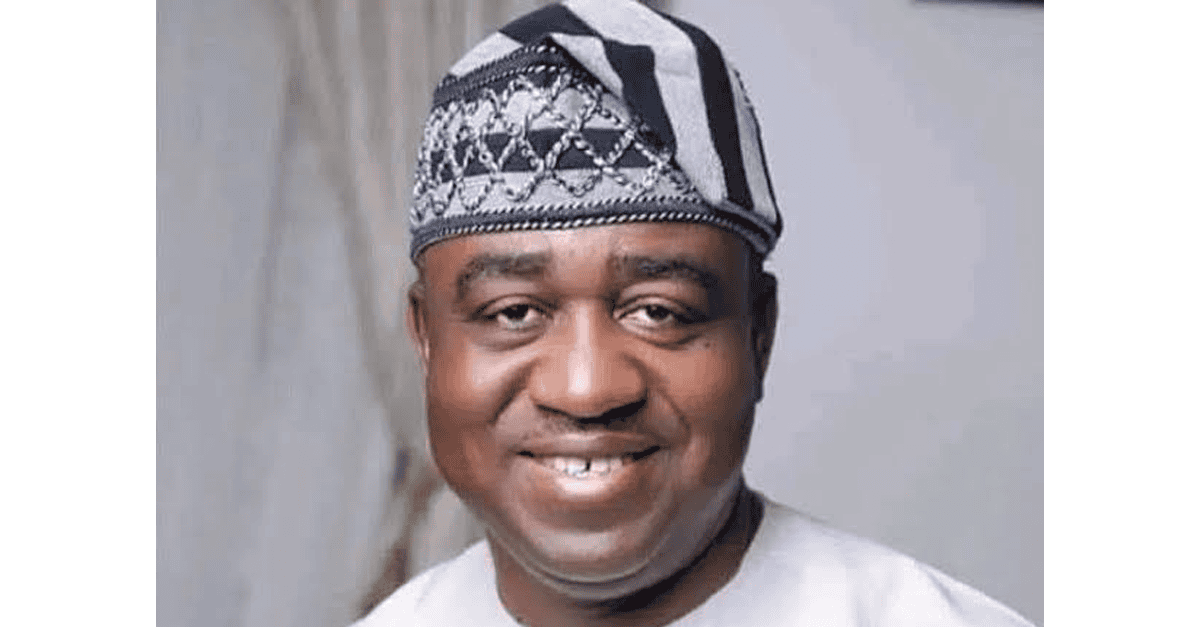
The fraud trial of former Benue State Governor Gabriel Suswam, which has dragged on for over a decade, suffered another setback on Thursday as the Federal High Court in Abuja adjourned final arguments to September. The Economic and Financial Crimes Commission (EFCC) had urged the judge to postpone the hearing till the following day, citing the case's 11-year duration as a reason for urgency. Instead, Justice Okon Abang fixed September 23 and 24 for the adoption of final written addresses, further prolonging a case that has become a symbol of the slow pace of justice in high-profile corruption trials.
The case, which began in 2013, involves allegations that Suswam, who governed Benue from 2007 to 2015, misappropriated N3.1 billion in public funds meant for the state's development. He is charged alongside his former Commissioner for Finance, Oklobia Okoh, with 11 counts of money laundering, criminal breach of trust, and conspiracy. Both men have pleaded not guilty and are on bail. The trial has seen multiple delays due to changes in judges, preliminary objections, and the COVID-19 pandemic, among other factors.
The Implications of the Delay
Thursday's postponement is the latest in a series of adjournments that have frustrated both the prosecution and the public. The EFCC's request for an immediate hearing was denied, with the court opting to set dates in September. This means that final arguments, which could lead to a judgment, will not occur for another six months. For a case that has already spanned 11 years, this delay underscores the challenges of securing timely convictions in Nigeria's judicial system.
The prolonged trial has broader implications for the country's anti-corruption efforts. Critics argue that such delays erode public trust in the judiciary and the EFCC's ability to hold powerful figures accountable. When cases stretch over a decade, witnesses may become unavailable, evidence can degrade, and the public's memory of the alleged crimes fades. This can create a perception that the system is rigged in favor of the wealthy and politically connected.
A Case Study in Judicial Inefficiency
The Suswam trial is not an isolated incident. High-profile corruption cases in Nigeria often take years to resolve. For example, the trial of former Delta State Governor James Ibori, which began in 2007, only concluded in 2018 after he was convicted in the UK. Similarly, the case against former National Security Adviser Sambo Dasuki has been ongoing since 2015 with no end in sight. These examples highlight a systemic problem: the lack of specialized courts and resources to handle financial crimes efficiently.
Legal experts point to several factors contributing to these delays. Frequent changes in judges mean that new jurists must familiarize themselves with case files, leading to repeated starts. Defense lawyers often employ tactics such as filing frivolous motions to stall proceedings. Additionally, the EFCC itself has been criticized for being underfunded and overstretched, limiting its capacity to push cases forward.
The Need for Reform
To restore confidence in the anti-corruption drive, Nigeria must address these bottlenecks. One solution is the establishment of dedicated corruption courts with judges trained in financial crimes. Fast-track procedures could limit the time for preliminary objections and ensure continuous hearings. The judiciary should also adopt case management systems to monitor progress and penalize unnecessary adjournments.
The EFCC, for its part, needs to strengthen its prosecution teams and ensure that cases are trial-ready before charges are filed. Better coordination with international partners, as seen in the Ibori case, can also help secure convictions even when domestic courts are slow.
What This Means for the Public
The constant delays in the Suswam trial send a discouraging message to ordinary Nigerians who expect justice. Many citizens see corruption as a major obstacle to development, and the inability to conclude cases like this fuels cynicism. A 2022 survey by Afrobarometer found that 75% of Nigerians believe the government is doing a poor job of fighting corruption. The Suswam case, now in its 12th year, is a stark reminder of why such perceptions persist.
The Human Cost of Delayed Justice
Beyond the legal and political implications, the prolonged trial has a tangible human cost. The N3.1 billion allegedly misappropriated could have funded critical infrastructure in Benue State, such as roads, schools, or healthcare. For example, the Benue State Universal Basic Education Board (SUBEB) has repeatedly cited funding gaps that delay construction of classrooms. In 2021, the state government reported that over 500 primary schools lacked adequate facilities. While Suswam is presumed innocent until proven guilty, the delay in resolving the case means that potential restitution or deterrence is postponed indefinitely.
Witnesses in the case have also faced hardship. Some key witnesses have relocated or passed away since 2013. The EFCC has had to rely on documentary evidence and testimony from officials who may have since retired or left public service. This weakens the prosecution's case and increases the likelihood of an acquittal on technical grounds.
The Role of the Media and Civil Society
The media has played a crucial role in keeping the Suswam case in the public eye. Outlets like Premium Times and The Cable have provided detailed coverage of each hearing, highlighting the delays and the sums involved. Civil society groups, such as the Socio-Economic Rights and Accountability Project (SERAP), have called for the case to be expedited. In 2022, SERAP petitioned the Chief Justice of Nigeria to intervene in long-standing corruption trials, including Suswam's. However, these efforts have not translated into faster judicial processes.
Comparative Perspectives: How Other Countries Handle High-Profile Corruption Cases
Nigeria's struggles with prolonged corruption trials are not unique in Africa, but some countries have implemented reforms. In Kenya, the establishment of the Anti-Corruption Court in 2016 has reduced the average trial time for corruption cases from five years to under two years. Similarly, South Africa's Special Investigating Unit (SIU) has a mandate to fast-track cases involving public funds. These examples show that specialized courts and dedicated prosecutors can make a difference.
In contrast, Nigeria's judiciary remains burdened by a lack of resources. According to a 2023 report by the National Judicial Council, the average corruption case takes 7-10 years to conclude. The Suswam trial, at 11 years, is above average but not exceptional. This systemic failure erodes investor confidence and perpetuates a culture of impunity.
Conclusion
In summary, the continued postponement of final arguments in the Suswam trial highlights the systemic inefficiencies plaguing Nigeria's judicial system. Without urgent reforms, high-profile corruption cases will remain mired in delays, undermining the fight against graft and eroding public trust. The September hearing will be a critical test of whether the court can finally bring this long-standing matter to a close. As the nation watches, the outcome will send a powerful signal about Nigeria's commitment to accountability and the rule of law.