
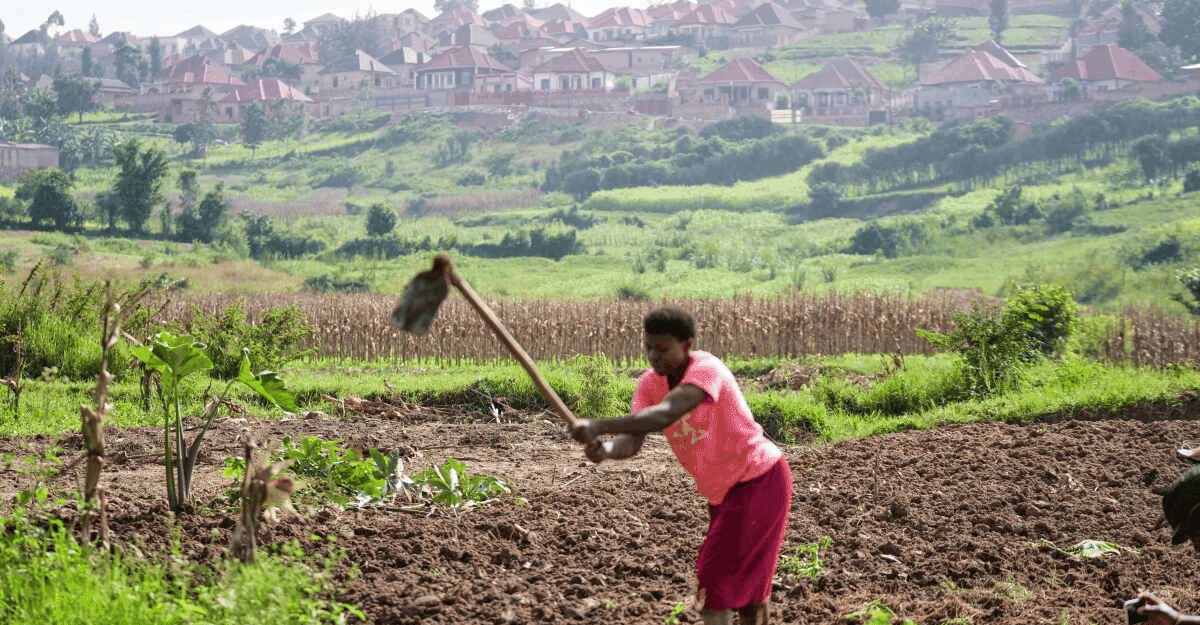
Farmers across Rwanda are set to adopt conservation agriculture on 100,000 hectares during the 2027A agricultural season, as authorities prepare for heavy rains associated with El Niño, according to the New Times.
The initiative aims to bolster resilience against the anticipated weather pattern, which could threaten crop yields and soil stability. Conservation agriculture typically involves minimal soil disturbance, permanent soil cover, and crop rotation, practices that help retain moisture and reduce erosion during intense rainfall.
For Nigerian readers, this move echoes broader West African efforts to adapt farming to climate variability. As extreme weather becomes more frequent, sustainable land management is increasingly vital across the continent. Nigeria, with its own agricultural vulnerabilities, could draw lessons from Rwanda's proactive approach.
The 2027A season will be a key test of how effectively large-scale conservation agriculture can mitigate El Niño's impacts. Observers will watch whether the initiative delivers on its promise of protecting harvests and livelihoods.