
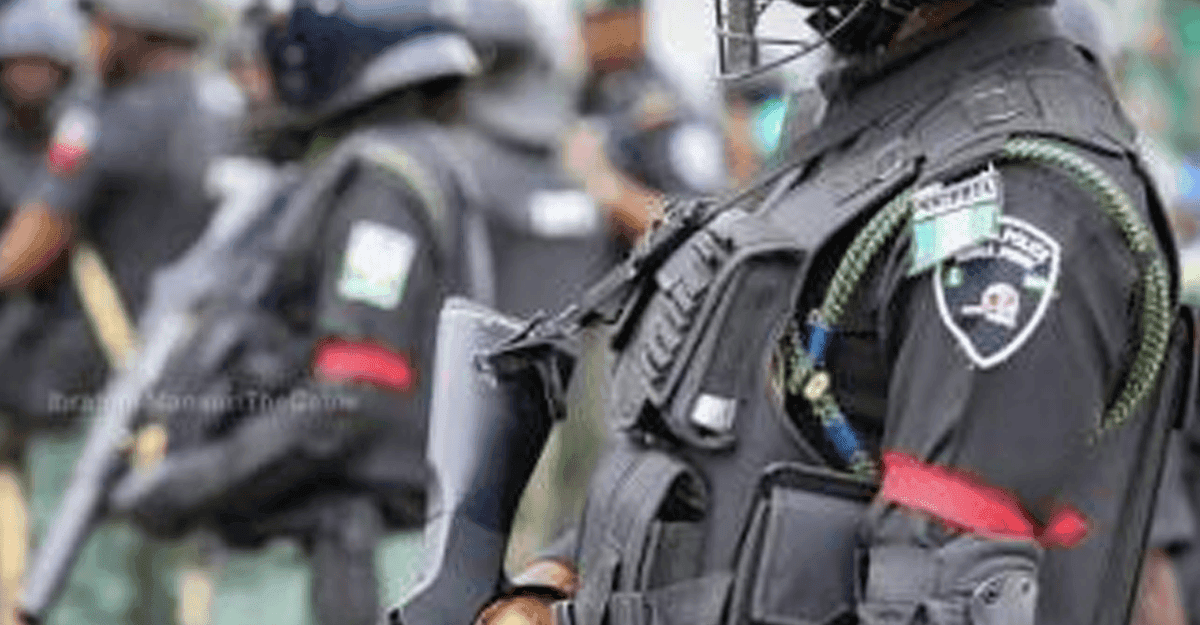
A new study has found that corruption and misconduct among police officers are significantly reducing public confidence in the Nigeria Police Force and affecting citizens' willingness to share intelligence with the force.
The study, published by IRE Journals, surveyed 256 Nigerians. The findings highlight a growing trust deficit between the public and the police, a development with serious implications for crime prevention and national security.
James Ojo Adakole is associated with the study, which was released on Monday, 31 August 2026.
The research underscores a critical challenge: when citizens lose faith in the police, they are less likely to cooperate with law enforcement, providing tips or information that could help prevent crimes. This reluctance can hamper police operations and embolden criminal elements.
For The Naira Standard's readers, this study offers a data-driven look at a problem long felt anecdotally. It connects to broader concerns about governance and public service delivery, similar to issues raised in other sectors, such as the recent [report on truckers shunning NPA parks](https://thenairastandard.com/article/truckers-shun-npa-parks-at-onne-port-delaying-cargo-evacuation) and the [ASUU report on lecturer exodus](https://thenairastandard.com/article/asuu-over-200-lecturers-quit-kaduna-university-over-poor-pay).
While the study does not specify solutions, it adds to the growing body of evidence calling for police reforms. The Nigeria Police Force has previously faced accusations of misconduct, and this research provides a quantitative measure of the damage to public trust.
Moving forward, the findings could spur discussions on accountability mechanisms and community policing initiatives. The challenge for the police leadership will be to translate such research into actionable reforms that rebuild confidence and encourage citizens to partner with law enforcement in keeping their communities safe.