
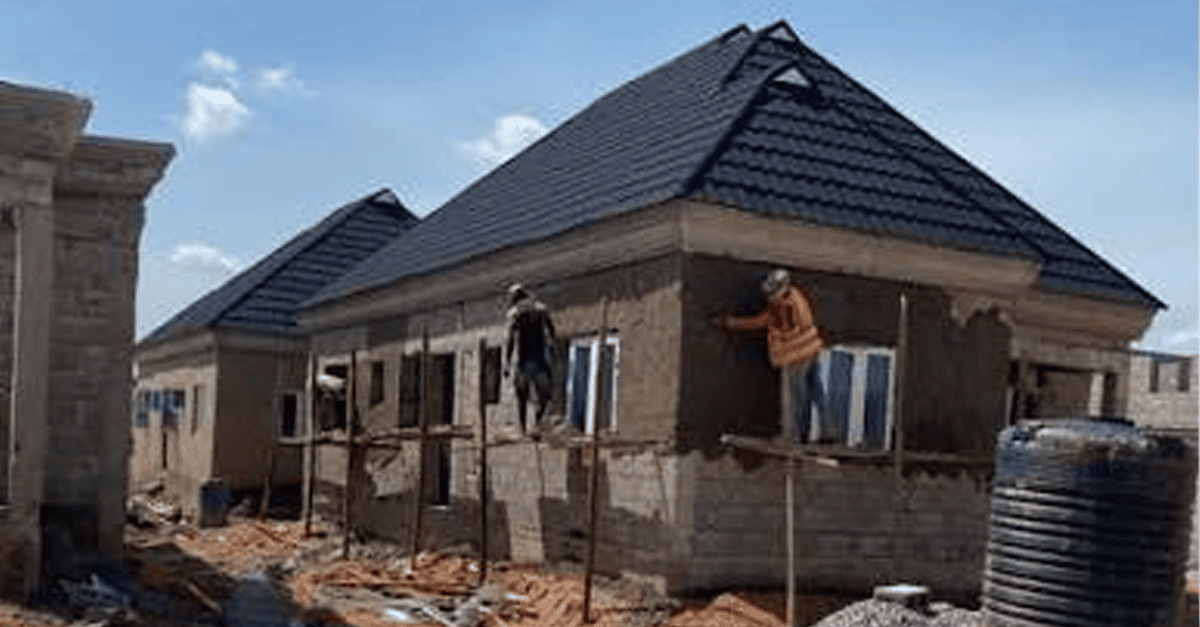
A recent discussion on Nairametrics has spotlighted Nigeria's housing strategy as a critical component of the nation's ambition to achieve a US$1 trillion economy. The post underscores the significant gap between current housing supply and demand, noting that the country requires an additional 20 million homes to meet its needs.
The analysis comes at a time when infrastructure and real estate are seen as key drivers for economic expansion. With a growing population and urbanization trends, the housing deficit poses both a challenge and an opportunity for policymakers and investors alike.
While the Nairametrics piece does not provide specific policy recommendations, it signals that addressing the housing shortfall could unlock substantial economic potential. The connection between housing development and broader economic growth is well-established, as construction creates jobs, stimulates demand for materials, and improves living standards.
For Nigeria to reach its ambitious economic target, strategic investments in housing and related infrastructure will likely be essential. The discussion adds to a growing body of commentary on the structural reforms needed to diversify the economy and sustain long-term growth.
As the country looks ahead, the focus on housing as a pillar of economic strategy may prompt further debate among stakeholders, including government agencies, developers, and financial institutions. The path to a trillion-dollar economy is multifaceted, but the housing sector's role cannot be overlooked.