
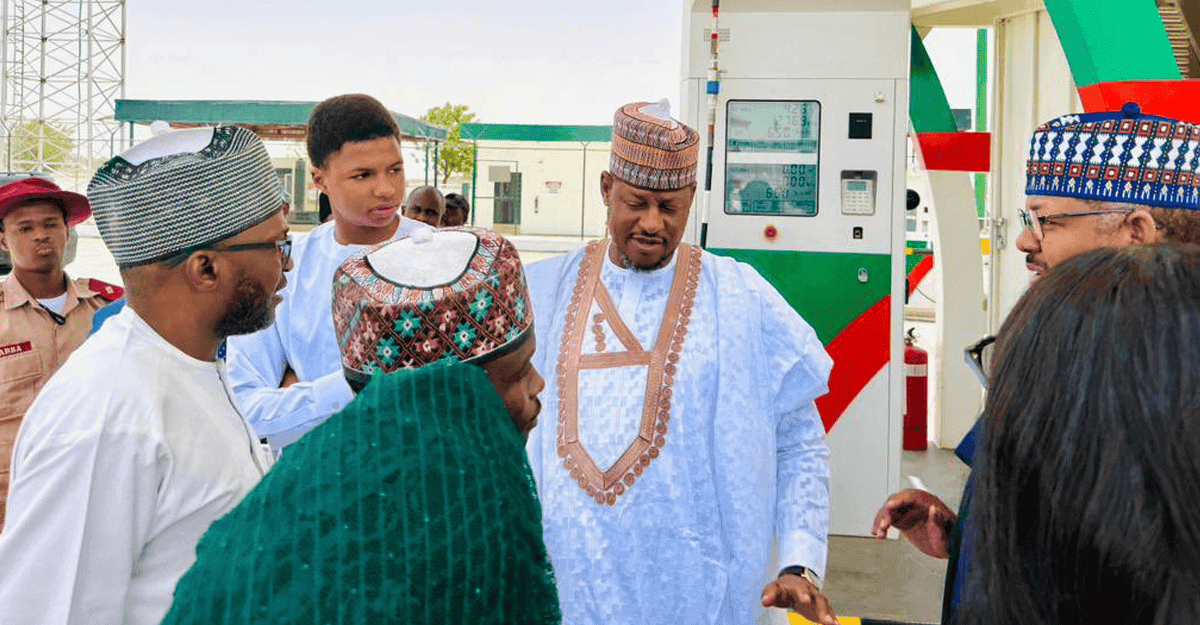
The Federal Government has announced a plan to provide cheaper transport through compressed natural gas (CNG) and electric vehicles, set to commence on October 1. However, the initiative has been met with skepticism from villagers who doubt it will benefit them.
The announcement, which aims to reduce transportation costs, has not convinced rural communities, who fear the program may not reach them. The government's push for cleaner and more affordable mobility comes amid rising fuel prices and economic hardship.
While the plan signals a shift towards sustainable energy, its success hinges on nationwide accessibility. Rural dwellers, who often rely on informal transport, question whether the infrastructure and vehicles will extend beyond urban centers.
This development follows other government initiatives aimed at easing economic burdens, such as the recent increase in voter registration materials for upcoming polls. The skepticism echoes broader concerns about policy implementation in remote areas.
As October 1 approaches, all eyes will be on the rollout strategy. The government must address these doubts to ensure the initiative does not widen the urban-rural divide.